

Why cultural norms limit us
Our pursuits are mostly shaped by the environment we grow up in. Staying within the walls of our time and culture inevitably limits what we consider possible—including other paths that may lie on Green Ground.
Understanding, measuring, and maximizing humanity’s greatest aspiration
Think about the moments you want more of. The times when you feel alive, light, and full of energy. We all have them. Yet how often do those experiences actually guide our choices? And how often do they not? We spend our lives pursuing different things like success at work, loving relationships, security, recognition, and growth. Yet they all point toward the same underlying objective: Maximized Good Times (MGT)
The MGT objective clarifies what we are ultimately trying to achieve:
not only to have good moments now, but to make those moments last, to compound, and not to pay for them with bad times later.
On the way to Maximized Good Times, we often assume a tradeoff between what brings immediate good times and what leads to longer-lasting, higher-quality good times.
When we separate these dimensions, it becomes clear that tradeoffs are not inevitable. They are choices.
The Four Playgrounds organize choices by how attractive they feel in the moment and how they affect life quality over time.
Hover over each playground to see what kind of time you are creating.
We commonly approach our pursuits in life assuming they are reliable means to Good Times. Yet the same pursuit sometimes leads to Good Times and sometimes does not.
When this happens, we tend to assume the problem is not having enough yet. We optimize harder instead of questioning whether the pursuit itself is actually linked to Good Times. The more people follow the same path, and the more examples there are of it occasionally working, the harder it becomes to question it. In this regard, humans are like ants following a pheromone trail. Paths that once led to food continue to be reinforced even after the food is gone.
Ants confuse the path with the food. We confuse our means with Good Times.
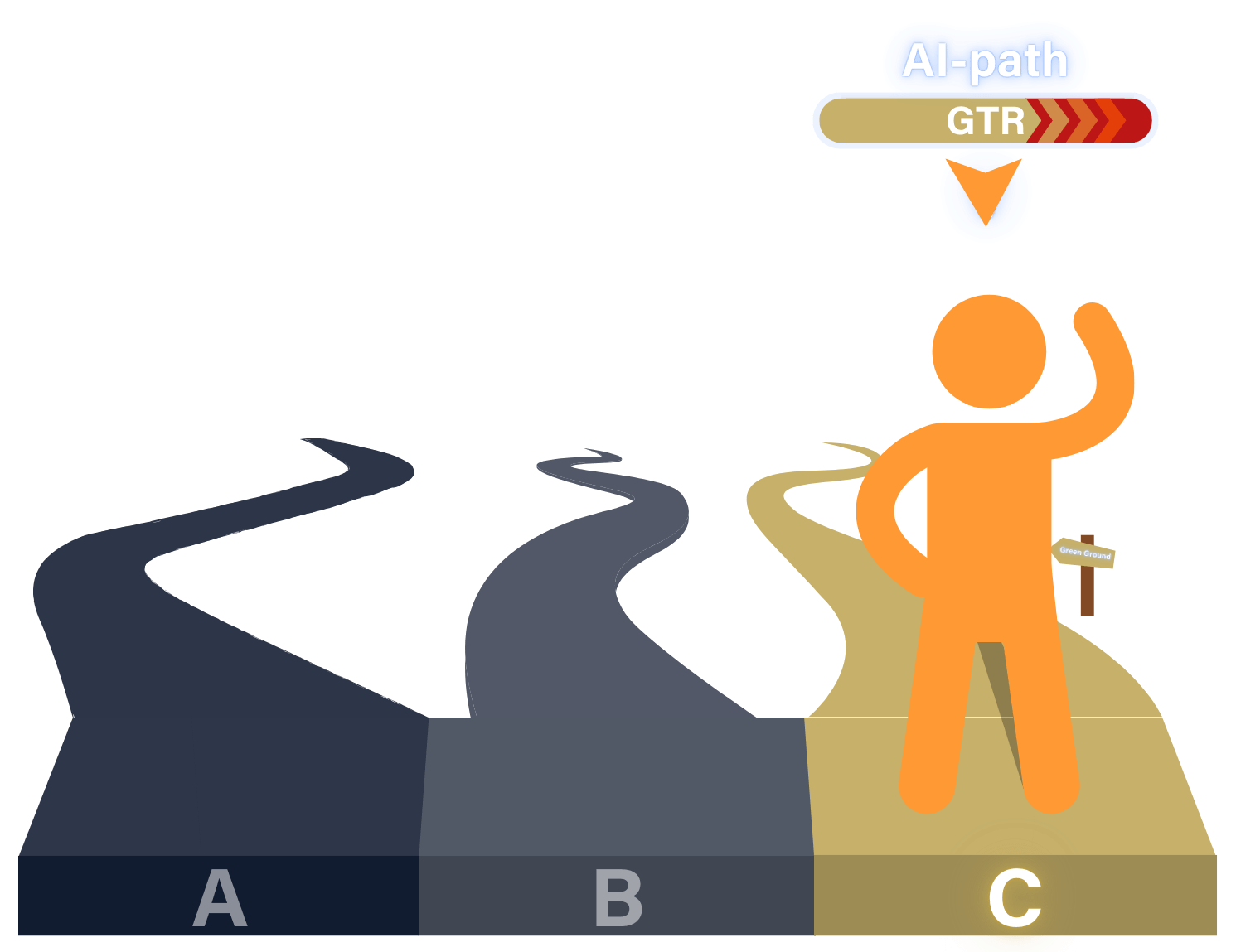
Up to this point in history, we have navigated life like explorers without a map. We rely on intuition, stories, social trends, and advice, hoping we are moving toward “Green Ground,” where Good Times naturally grow. To shift from guessing to knowing, we must measure the effects of our pursuits on Good Times. The Good Time Ratio (GTR) metric does this by making Good Times observable. It allows individuals and collectives to track where, when, and under which conditions Good Times increase or decline—across life domains, cultures, and ages.

Our pursuits are mostly shaped by the environment we grow up in. Staying within the walls of our time and culture inevitably limits what we consider possible—including other paths that may lie on Green Ground.

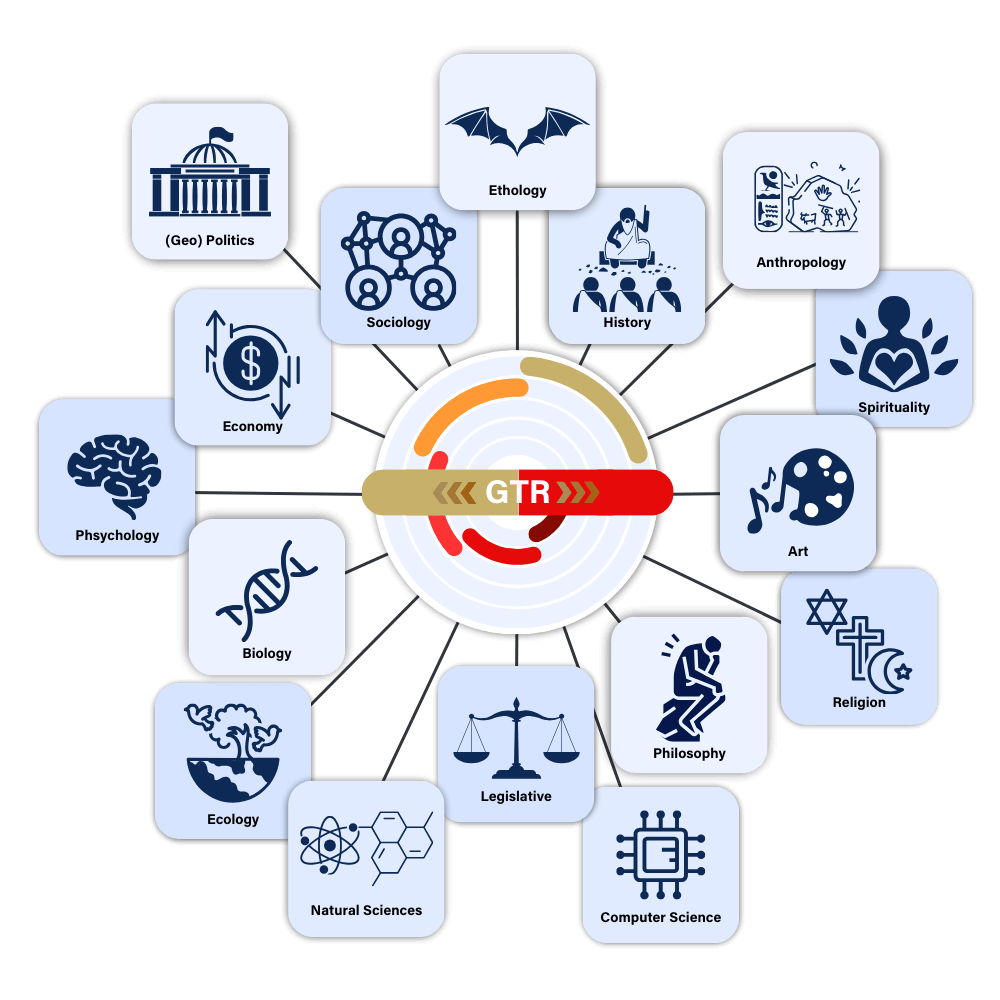
Each discipline captures one lens on life—biology, sociology, psychology, economics. But nature does not divide itself into disciplines. When addressed in isolation, connections and spillover effects are easy to miss.

The Science of Good Times (SGT) combines insights across disciplines and stress-tests them across cultures. Only what holds up in both dimensions—context and complexity—is considered reliable for increasing Good Times.
For most of human history, this seemed a myth we fell victim to. But today, we collect more data about life than ever before. For the first time in history, we not only shape environments based on unprecedented amounts of data, but also have the possibility to equip every human with an AI assistant that provides personalized suggestions in real time—aligned with the objective of Maximizing Good Times.
Insights from the Science of Good Times enable AI systems to be trained on GTR-based data that reveal the relationship between life journeys and experienced Good Times. Applied at both individual and societal levels, these insights make it possible to identify the most effective paths on Green Ground—creating Good Times now while supporting sustained Good Times in the future.
Today, we stand at a pivotal point in history where the goal of Maximizing Good Times shifts from wishful thinking to a practical, scalable reality.
Receive notes offering clarity on what creates sustainable Good Times and how to move towards Maximized Good Times
No spam. Good times only. Your data stays private. Unsubscribe anytime.
Enter your details below to join the challenge.